
CRIME-RESILIENT MINNESOTA
COLLABORATIVE EVENT
SPRING SESSION - Little Falls, May 16, 2026

Regional Stabilization Event for the Great River Communities
Across the Great River Region, communities are entering a moment that will define the next decade of safety, stability, and civic strength. Instability is rising quietly. Vulnerabilities are spreading unevenly. And the systems built for a different era are no longer enough to protect the people who depend on them.
This spring, the region gathers to change that trajectory.
For years, communities around the world have used the term City of Peace to signal a commitment to safety, nonviolence, and civic harmony. Some earn formal designation. Others build their own local recognitions. But the meaning is always the same: a community that chooses stability on purpose.
The Great River Region is now choosing its own version of that commitment — not as a title, but as a coordinated, measurable, community‑wide capability.
A Region Steps Forward
The May session brings together residents, civic workers, educators, first responders, faith leaders, and volunteers to coordinate the next phase of crime‑resilient community building. This is not a conference. It is a working session — a regional alignment moment — designed to clarify responsibilities, strengthen communication, and prepare communities for the pressures ahead.
The focus is practical.
The work is measurable.
The outcome is long‑term stability.
Why Crime‑Resilient Community Coordination Matters
Crime‑resilience is not a slogan. It is a capability— the ability of a community to:
• anticipate and interrupt early signs of criminal activity
• reduce opportunities for exploitation and trafficking
• strengthen protective factors across families, schools, and neighborhoods
• coordinate information flow between civic sectors
• maintain stability during periods of economic or social pressure
The May event provides the structure needed for communities to move from awareness to action — from isolated effort to shared protection
The May event provides the structure needed for communities to move from awareness to actionable coordination.

Who Should Attend
Municipal and county leadership
Library and education professionals
First responders and dispatch
Faith‑based community leaders
Volunteers and civic groups
Parents, caregivers, and youth advocates
Residents committed to community stability
Attendance is open to all Great River Region communities.

Event Format
-
Opening Briefing — Regional safety landscape and current vulnerabilities
-
Sector Breakouts — Tailored coordination sessions for civic workers, educators, first responders, volunteers, and community members
-
Unified Planning Session — Cross‑sector alignment and shared commitments
-
Community Activation — Tools, checklists, and next‑step assignments
Event Objectives:
-
Unify regional sectors around a shared safety framework.
-
Map local vulnerabilities and identify early‑intervention points.
-
Strengthen cross‑sector communication between civic, educational, and emergency partners.
-
Equip residents with practical tools for neighborhood‑level crime‑resilience.
-
Launch the 2026–2027 Regional Stability Plan, including measurable benchmarks.

What Participants Will Receive
-
A Regional Coordination Packet outlining roles, responsibilities, and communication pathways
-
A Neighborhood Crime‑Resilience Checklist for household and block‑level prevention
-
Access to sector‑specific breakout sessions
-
A 2026–2027 Stability Roadmap with quarterly benchmarks
-
Optional training sign‑ups for summer and fall programs
These materials form the backbone of the region’s coordinated safety architecture.

How This Fits Into the 2026 Regional Stability Strategy
The May event is the operational launch of the region’s crime‑resilient community model. It establishes the shared framework that guides:
-
Regional Alignment — unifying civic, educational, emergency, and community sectors under one coordinated safety architecture.
-
Capability Building — equipping residents and professionals with the tools, checklists, and communication pathways needed for early‑intervention work.
-
Community Activation — mobilizing neighborhoods to reduce vulnerability and strengthen protective factors across households and public spaces.
-
Measured Progress — setting the benchmarks that drive the 2026–2027 Stability Plan and define what success looks like for the region.
This event is where the region shifts from planning to structured, measurable action.
FRONTLINE DESK
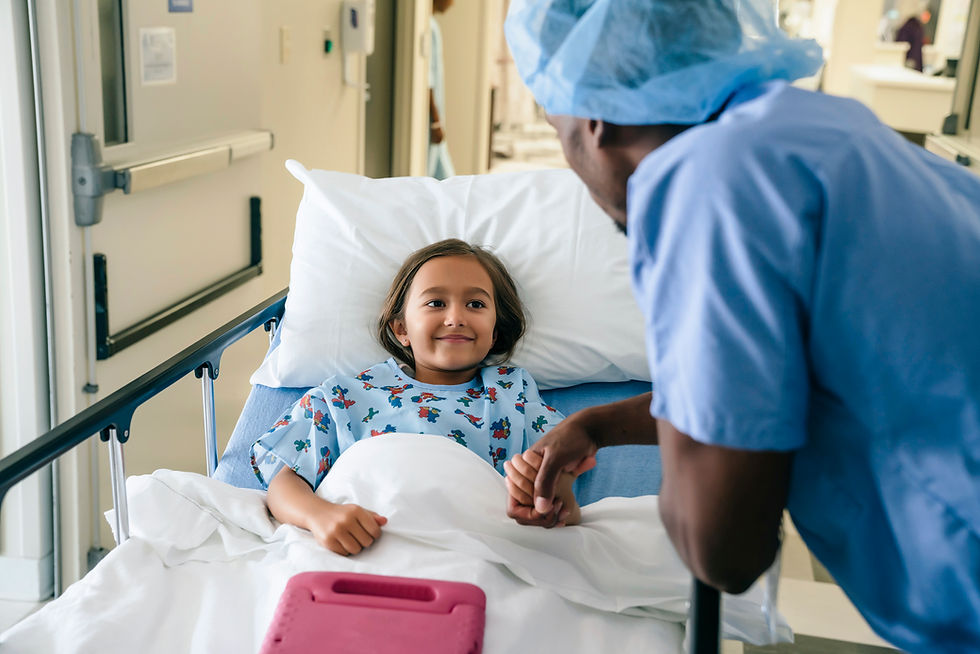
People who hold the line in daily life: nurses, clerks, cashiers, bank tellers, receptionists, gas‑station staff, and anyone who manages human flow and stabilizes situations before they escalate.

EDUCATOR HUB
Teachers, aides, tutors, school staff, and youth‑program leaders who read environments, track patterns, and shape the emotional and cognitive climate of the spaces they guide.

CAREGIVERS & PARENTS FORUM
Parents, guardians, special education employees, childcare workers, elder‑care providers, and anyone balancing immediate needs with long‑term stability for the people they protect.

FIRST RESPONDER LIAISON DESK
Police, fire, EMS, dispatchers, security officers, and all rapid‑response professionals who make decisions in seconds and operate in high‑stakes environments.

VOLUNTEER ACTIVATION DESK
People who give their time and energy to move community efforts forward: event volunteers, civic helpers, youth mentors, and service‑driven neighbors.

PHILANTHROPISTS AND STEWARDS
Donors, funders, resource‑directors, and people who make strategic decisions about where money, time, and influence should go to strengthen long‑term stability

TRAVELLERS
Individuals moving through the region for short or extended stays: airport travellers, road‑trippers, seasonal visitors, remote workers, and medical travellers who experience the place intensely but briefly.

HOSPITALITY & TRANSPORTATION DESK
Workers who keep the region moving: hotel staff, rideshare drivers, bus drivers, delivery workers, flight attendants, servers, bartenders, and anyone who interacts with the public in motion.
CIVIC ESSAY — MISSION STATEMENT
A civic essay is a public safety document shaped by the disciplines of public safety communication, community journalism, civic education, moral leadership, local governance, and prevention work. It exists to strengthen communities by delivering information grounded in lived reality and written solely for the public good. A civic essay is not partisan, not a personal diary, not activism, not a policy paper, not an op‑ed, not academic analysis, and not a press release. It represents the modern form of civic writing: short, clear, local, safety‑oriented, dignity‑anchored, written in a voice communities trust, and structured for reinterpretation across multiple civic lanes. This form establishes the newsroom as a civic institution and defines the “civic essay” as a distinct genre within contemporary public communication. The term CIVIC ESSAY and all associated works are the intellectual property of Mayasonette Lambkiss and may not be sold or resold; they may only be shared in whole, without alteration, freely online or in printed form, without any fee associated with their distribution.