
.jpg)
HOW TO CONTRIBUTE TO A MORE STABLE AND RESILIENT COMMUNITY
THE 8 REALITIES SHAPING OUR COMMUNITY
by Mayasonette Lambkiss
February 5, 2026
The emotional temperature across the region is rising. Public spaces are running with less margin, and people are carrying more strain than they show. Institutions are absorbing pressure from every direction, and the community’s stability now depends on clear information, steady environments, and adults who understand how quickly tension spreads when systems wobble.
Youth are signaling strain earlier and faster. Their stress is surfacing in quicker emotional swings, shorter patience, and quiet withdrawal. These are pressure responses, not character flaws. Young people absorb instability in the environment long before adults notice it. When expectations are clear and the room is steady, they recalibrate quickly.
Clear information is becoming a stabilizing force. When updates are calm, direct, and free of noise, people steady almost immediately. Confusion drains energy and fuels anxiety; clarity restores order. Communities regulate faster when the information they receive is predictable and grounded.
Caregivers are navigating two timelines at once. They’re solving today’s needs while bracing for tomorrow’s uncertainties. This dual pressure reshapes how families move, plan, and communicate. The strain isn’t just emotional—it’s logistical, financial, and constant. When systems are predictable, caregivers regain the capacity to respond instead of react.
Educators, librarians, and social workers are holding the line on stability. Their tone, consistency, and presence are preventing countless disruptions. They are the quiet regulators of entire buildings and caseloads, absorbing emotional spillover and maintaining order in environments that rely heavily on their steadiness. Their work is one of the strongest stabilizing forces in the region
First responders are absorbing the community’s hardest moments. Their work is high‑stakes and often invisible. They’re entering situations where clarity, coordination, and timing determine outcomes. Their need for stable communication channels and predictable information flow continues to rise.
Volunteers are stepping into structural gaps. They’re showing up where systems are thin, offering time, steadiness, and human presence that institutions cannot replicate. Their contribution is becoming a critical layer of community resilience.
Local stewards and donors are shifting toward long‑view thinking. They’re asking sharper questions about sustainability, accountability, and long‑term impact. The focus is moving away from temporary fixes and toward investments that strengthen the region’s capacity to stay stable under pressure.
Residents are recalibrating their expectations of public communication. People want information that is factual, calm, and free of unnecessary drama. They are increasingly rejecting noise and gravitating toward sources that deliver clarity without escalation. This shift is reshaping how institutions, leaders, and organizations communicate with the public.
The region is steadier when information is clear, environments are predictable, and the adults in the room model calm. Every sector has a role in that stability, and the community feels the difference when those roles are carried out with intention.


CLICK TO DOWNLOAD
CLICK TO DOWNLOAD

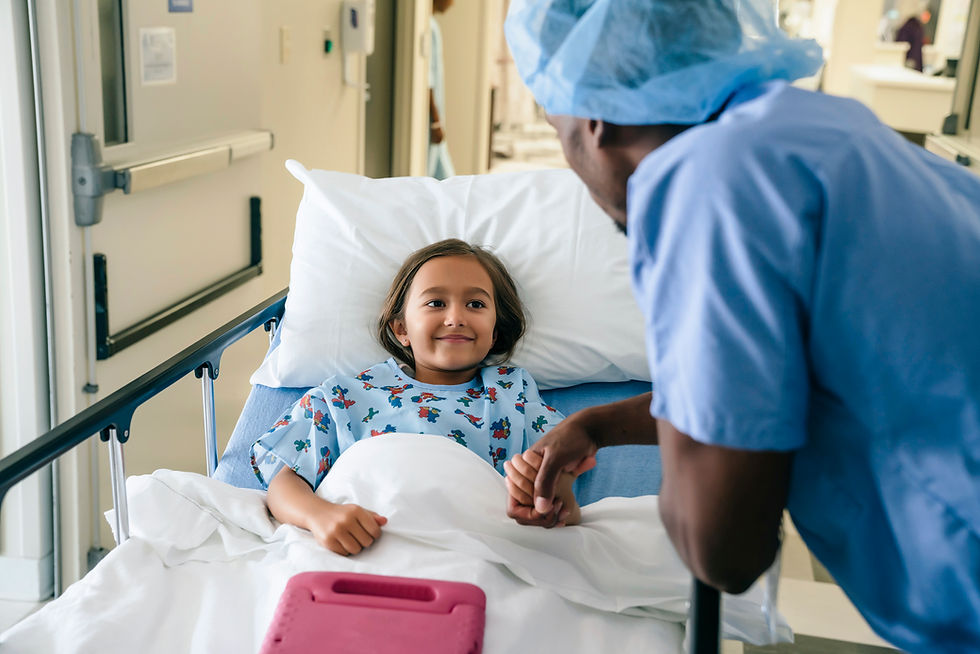
FRONTLINE DESK
People who hold the line in daily life: nurses, clerks, cashiers, bank tellers, receptionists, gas‑station staff, and anyone who manages human flow and stabilizes situations before they escalate.

EDUCATOR HUB
Teachers, aides, tutors, school staff, and youth‑program leaders who read environments, track patterns, and shape the emotional and cognitive climate of the spaces they guide.

CAREGIVERS & PARENTS FORUM
Parents, guardians, special education employees, childcare workers, elder‑care providers, and anyone balancing immediate needs with long‑term stability for the people they protect.

FIRST RESPONDER LIAISON DESK
Police, fire, EMS, dispatchers, security officers, and all rapid‑response professionals who make decisions in seconds and operate in high‑stakes environments.

VOLUNTEER ACTIVATION DESK
People who give their time and energy to move community efforts forward: event volunteers, civic helpers, youth mentors, and service‑driven neighbors.

PHILANTHROPISTS AND STEWARDS
Donors, funders, resource‑directors, and people who make strategic decisions about where money, time, and influence should go to strengthen long‑term stability

TRAVELLERS
Individuals moving through the region for short or extended stays: airport travellers, road‑trippers, seasonal visitors, remote workers, and medical travellers who experience the place intensely but briefly.

HOSPITALITY & TRANSPORTATION DESK
Workers who keep the region moving: hotel staff, rideshare drivers, bus drivers, delivery workers, flight attendants, servers, bartenders, and anyone who interacts with the public in motion.
CIVIC ESSAY — MISSION STATEMENT
A civic essay is a public safety document shaped by the disciplines of public safety communication, community journalism, civic education, moral leadership, local governance, and prevention work. It exists to strengthen communities by delivering information grounded in lived reality and written solely for the public good. A civic essay is not partisan, not a personal diary, not activism, not a policy paper, not an op‑ed, not academic analysis, and not a press release. It represents the modern form of civic writing: short, clear, local, safety‑oriented, dignity‑anchored, written in a voice communities trust, and structured for reinterpretation across multiple civic lanes. This form establishes the newsroom as a civic institution and defines the “civic essay” as a distinct genre within contemporary public communication. The term CIVIC ESSAY and all associated works are the intellectual property of Mayasonette Lambkiss and may not be sold or resold; they may only be shared in whole, without alteration, freely online or in printed form, without any fee associated with their distribution.